Food learning begins with noticing
TasteJourney is shaped around practical gastronomy for new learners: tasting slowly, comparing ingredients, reading recipe cues, and understanding how aroma, texture, seasoning, heat, and balance change everyday food.
Unsure where to begin?
Ask about the best starting point for tasting practice, ingredient comparisons, basic tools, or a calmer way to approach simple kitchen decisions.
Clarify Your First StepPractice built around real food
Taste And Compare
Learners compare small samples before and after salt, acid, fat, herbs, or heat so the difference is easy to notice.
Record And Adjust
Tasting notes help connect aroma, mouthfeel, doneness, balance, and one realistic adjustment for the next attempt.
What guides the course approach
Observe Before Fixing
Before adding more seasoning or changing a recipe, learners pause to notice aroma, texture, temperature, and what feels flat, sharp, heavy, or balanced.
Use Familiar Ingredients
Simple vegetables, grains, sauces, herbs, and pantry seasonings keep attention on flavor changes instead of complicated restaurant-style techniques.
Name The Difference
Instead of vague words like nice or tasty, learners practice describing contrast, freshness, bitterness, umami, aftertaste, and mouthfeel in plain language.

A calm method for tasting, pairing, and kitchen decisions
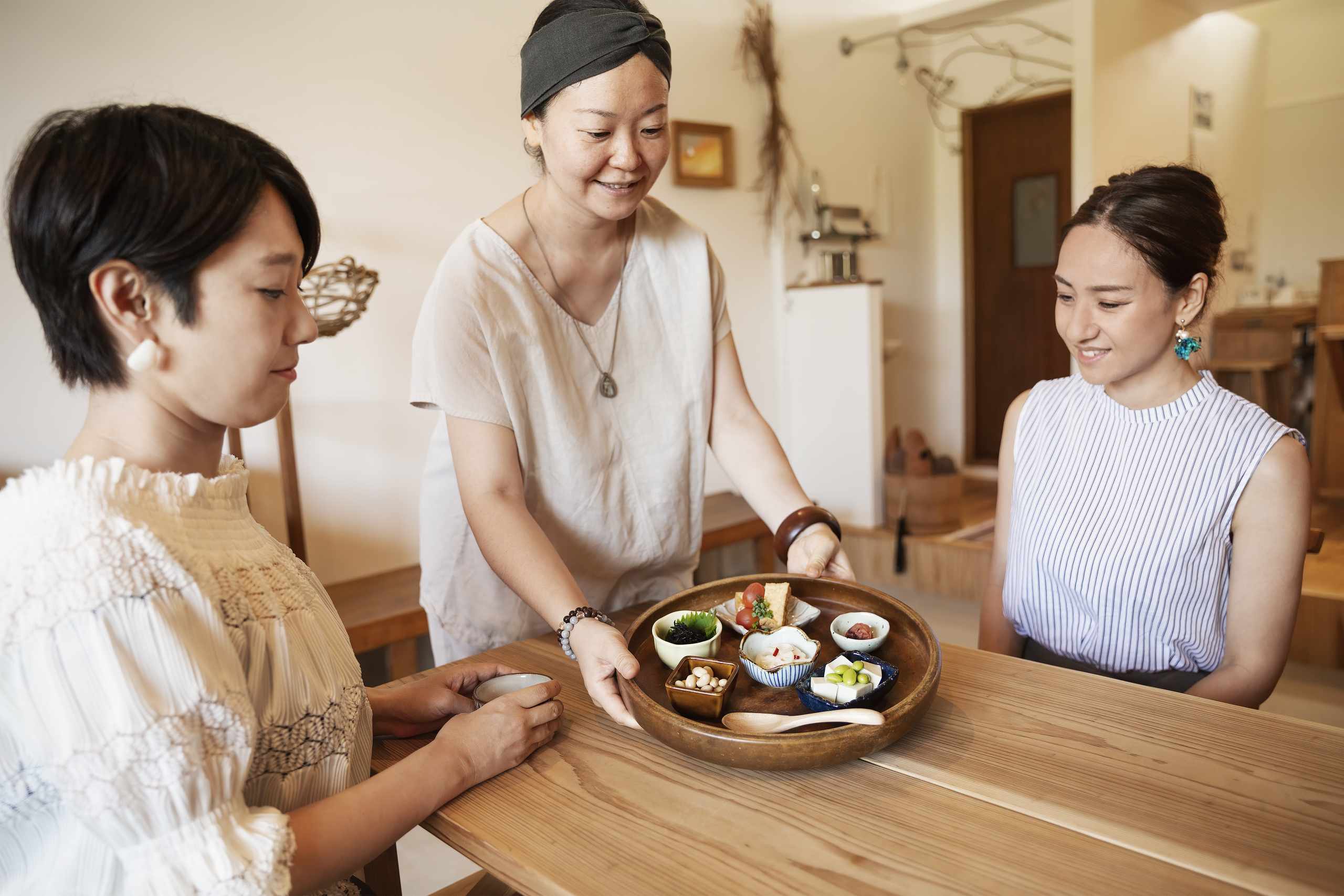
The course treats gastronomy as careful everyday food study, not professional chef training. Learners work with small tasting plates, simple recipe checks, pairing charts, seasoning increments, and plating comparisons that show how one choice affects the whole dish.
Progress is built through repeatable practice: taste first, adjust slowly, compare versions, write a useful note, and review what changed. This helps learners understand blandness, over-seasoning, texture problems, ingredient quality, and visual balance without making exaggerated claims.