Taste with clearer attention
TasteJourney turns everyday food into practical study through aroma, texture, seasoning, pairing, tasting notes, and simple kitchen decisions.
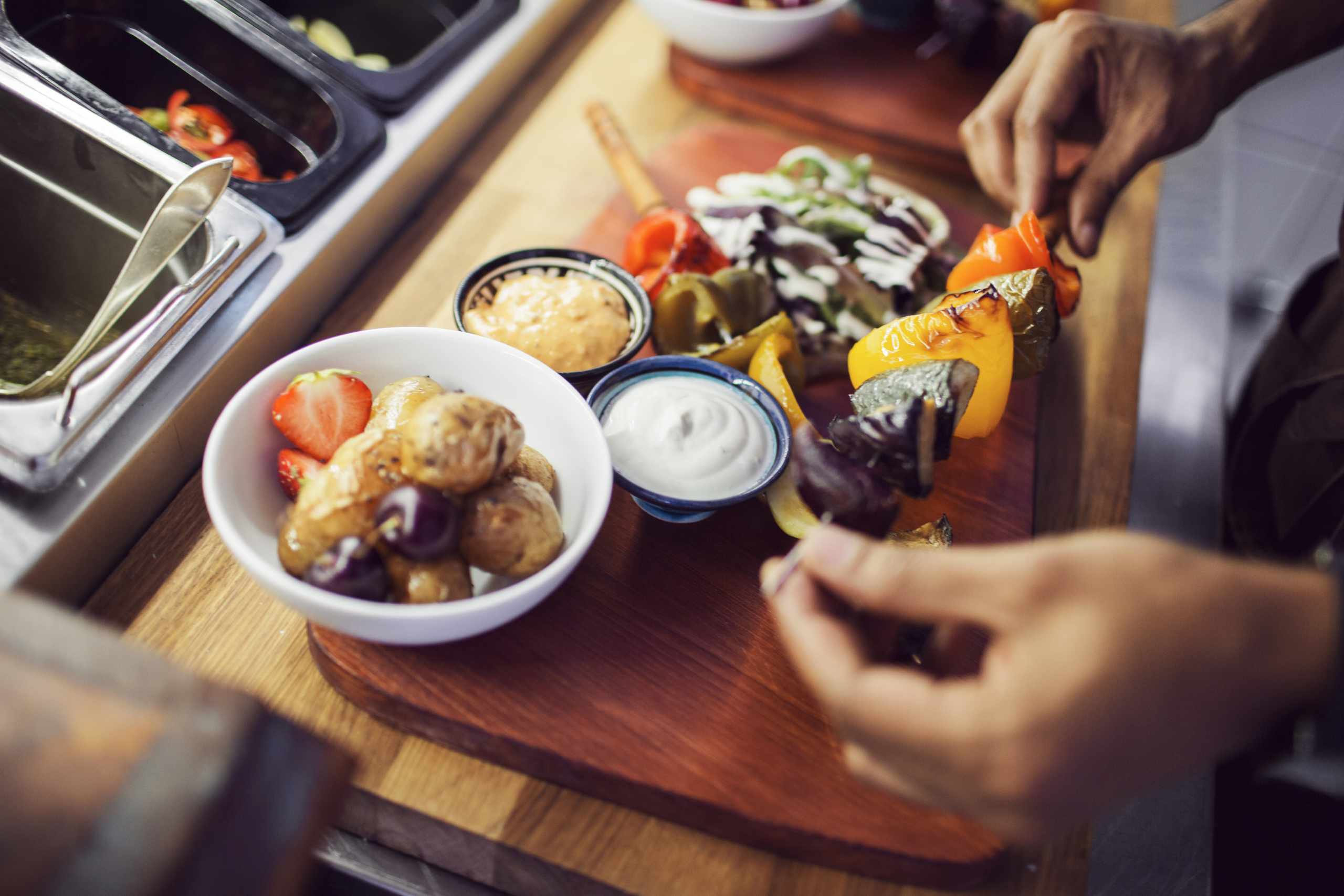
Food study through small choices
Practice tasting before adjusting, compare ingredients side by side, and learn how salt, acid, fat, heat, and texture change a simple dish. The course keeps gastronomy practical, sensory, and grounded in food you can observe at home.
Notes from the tasting table

An Introductory Manual for Combining Herbs, Vegetables, Grains, Proteins, and Sauces
Pull a vegetable from your fridge, take a grain, and grab a sauce or condiment. That cluster is…
Read more →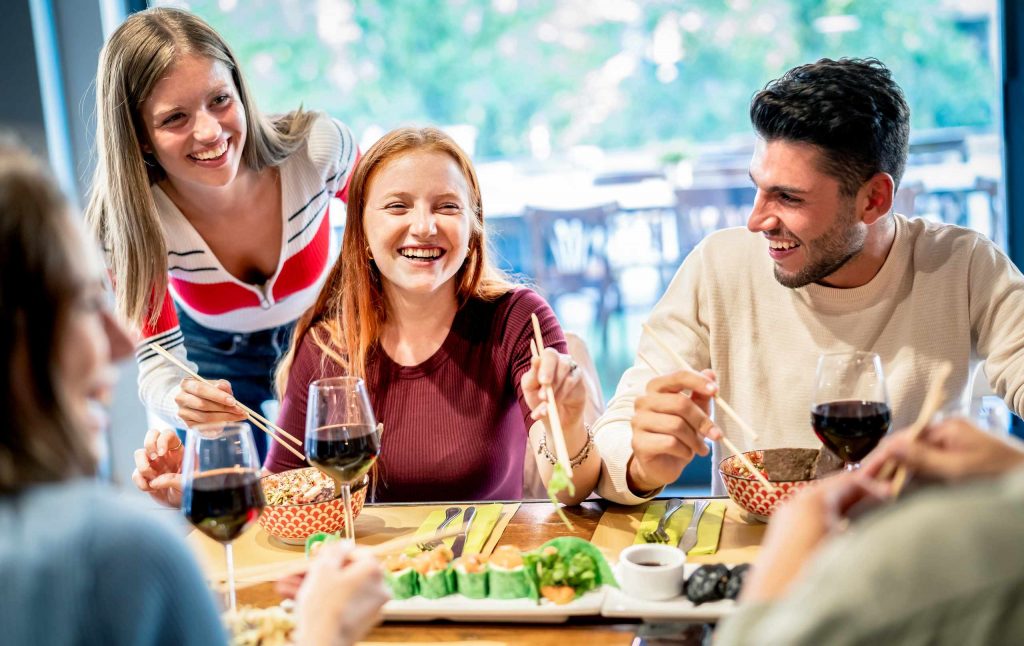
How to Write Useful Tasting Notes Without Sounding Technical or Vague
Writing tasting notes shouldn’t sound fancy. Often, a plain, one-sentence note with one genuine observation you made will…
Read more →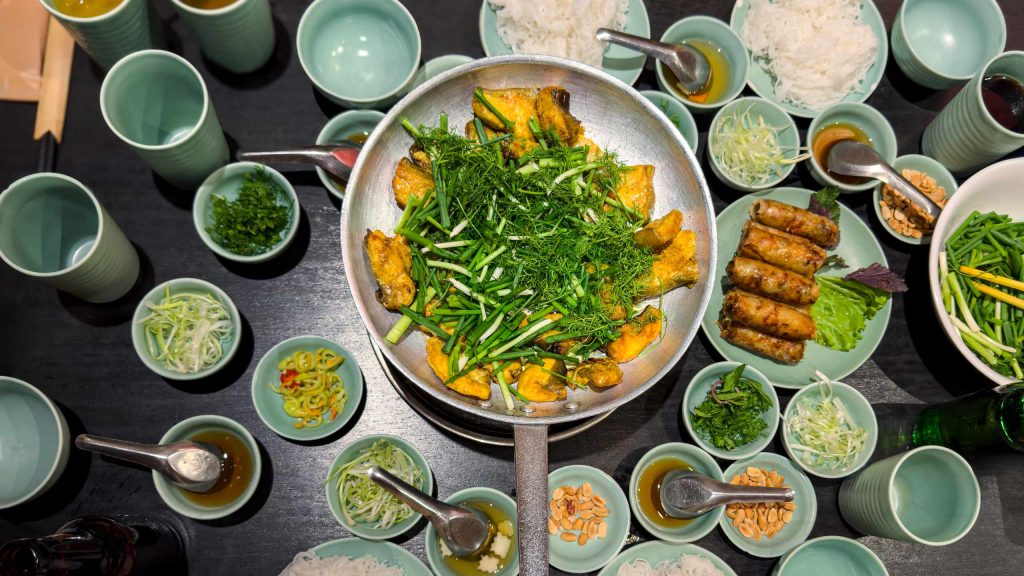
How Salt, Acid, Fat, and Heat Can Transform a Single Ingredient
A cooked potato is a wonderful teaching tool because it isn’t very complicated. If you try a plain…
Read more →We believe better food understanding starts with noticing what is already on the plate.
The course approach is calm and practical: taste slowly, name what you notice, adjust in small steps, and review how aroma, mouthfeel, doneness, and balance changed the dish.
What learners are noticing
I stopped guessing with seasoning and started tasting after each small change. Writing notes about acid, salt, and texture made simple dishes easier to understand.

The ingredient comparisons were the most useful part for me. I finally noticed how ripeness, cut size, and heat changed the same vegetable.

I liked that the course did not pretend to be chef training. It helped me describe aroma, balance, and mouthfeel in a calmer, more specific way.

Practical gastronomy, not kitchen guesswork
TasteJourney focuses on repeatable observation instead of dramatic claims. Each activity helps learners connect flavor, texture, heat, ingredient quality, and presentation to clear food decisions.